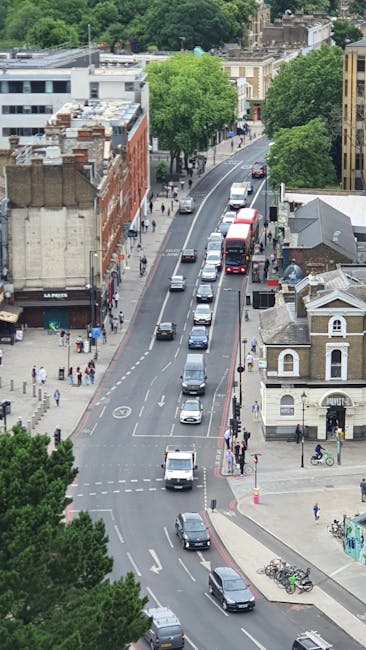
Removals on Earls Court Road parking and loading guide
Posted on 30/06/2026
If you are planning a move in SW5, the parking side of the job can be just as important as the packing side. This Removals on Earls Court Road parking and loading guide is here to help you make sense of the real-world bits: where a van can stop, how long loading might take, what can go wrong, and how to avoid turning a moving day into a little street-level drama. Earls Court Road is busy, narrow in places, and rarely forgiving if you arrive unprepared. A smooth move here is less about luck and more about timing, access, and a sensible plan.
Whether you are moving from a flat above a shop, handling a house removal, or arranging a quick man and van job, the basics are similar. You need safe access, a realistic loading window, and a crew that understands London streets. If you want a broader look at the service options available, you can also browse the services overview or the dedicated removals in Earls Court page for the wider picture.
Below, you will find a practical guide that keeps things plain-English, local, and useful. No fluff. Just what helps on the day.

Why Removals on Earls Court Road parking and loading guide Matters
Parking is not just a minor detail on Earls Court Road; it can shape the whole move. If the van cannot stop close enough, every box takes longer to carry, heavy furniture becomes awkward, and the risk of knocks and scrapes goes up. That is especially true in a busy part of London where traffic can build quickly and pavement space is limited.
Good access planning saves time, money, and stress. It also protects neighbours, pedestrians, and your belongings. In our experience, a move that starts with a clear loading plan tends to feel calmer all the way through. A move that starts with "we'll just wing it" often does not. To be fair, that is true of most London removals, but Earls Court Road makes it more obvious.
The key issue is simple: your moving vehicle must be positioned legally and safely while the team loads or unloads. That sounds straightforward, yet real streets are messy. You may need to think about traffic flow, bay restrictions, nearby busier junctions, building access, and whether your belongings are better staged inside before the van arrives. Small decisions here can save an hour or more later.
If you are still comparing service types, a man and van in Earls Court can be ideal for lighter moves, while larger projects may suit house removals in Earls Court or a more fully managed removal services package.
How Removals on Earls Court Road parking and loading guide Works
At street level, removals work best when the van can stop close to the entrance, remain in place for a sensible loading period, and then depart without creating unnecessary obstruction. On Earls Court Road, that usually means planning for limited stopping space and a modest amount of patience. Not glamorous, but that is the reality.
There are usually three moving parts:
- Access to the property - stairs, lifts, entry codes, concierge rules, or a tight front door can all change timings.
- Van positioning - the ideal spot is close, legal, and safe for people carrying furniture.
- Loading rhythm - boxes first, then medium items, then bulky furniture, with fragile items packed separately.
Most of the trouble comes from a mismatch between expectation and reality. A customer may assume the van can park directly outside for an hour. In practice, it may need to pause, rotate positions, or load in shorter bursts. This is where an experienced team helps, because they know how to keep momentum even when the street is doing its best to be annoying.
For many moves, the best approach is a quick reconnaissance mindset: look at the road, look at the building entrance, think about what the van needs, and plan the load order before the team arrives. If you are already near Earl's Court station or moving through the wider SW5 area, the access advice in this Earls Court Station access guide is also worth a read.
Key Benefits and Practical Advantages
A well-planned loading setup offers more than convenience. It can make a real difference to cost, speed, and safety. The benefits are easy to underestimate until you are halfway through carrying a wardrobe down stairs and wishing the van was twenty feet closer.
Here is what good planning typically gives you:
- Faster loading and unloading - less walking distance means fewer trips and less fatigue.
- Lower damage risk - fewer handovers and less time spent manoeuvring bulky items around parked cars.
- Better cost control - if the team loads efficiently, you may avoid extra time charges on hourly work.
- Less disruption - a tidy, organised load is easier for everyone nearby.
- Cleaner decision-making - you know whether you need a smaller van, a second trip, or a better time slot.
There is also a psychological benefit that people rarely talk about. A neat loading plan makes the whole day feel manageable. You can see progress. The van fills in a sensible order. The hallway empties. The move starts to look like a move, not a pile of worry with straps on it.
Who This Is For and When It Makes Sense
This guide is for anyone moving on or near Earls Court Road who needs a practical view of parking and loading. That includes flat movers, house movers, office teams, students, landlords helping tenants out, and anyone arranging a quick same-day collection. If the building is above street level or access is tight, the details matter even more.
It especially makes sense if you are:
- moving from a flat with limited access;
- using a van rather than a full-size lorry;
- moving during a busy time of day;
- working around building restrictions or concierge rules;
- trying to keep removal costs under control;
- moving fragile, bulky, or high-value items.
If you are relocating a smaller property, a flat removals service or a flexible man with a van service may be enough. For larger moves or furniture-heavy homes, consider furniture removals in Earls Court or a broader removal van arrangement.
Step-by-Step Guidance
Here is the practical sequence we would recommend for a move on Earls Court Road. It keeps the day orderly and avoids the usual scramble.
- Check the access point first. Look at the front entrance, nearby parking spaces, and any obvious stopping restrictions. A five-minute visual check can save a lot of guessing.
- Work out the loading route. Decide where the van will stop, which doorway will be used, and whether items need to be passed through a narrow hallway or lift.
- Reserve enough time. If the van can only stop briefly, load in priority order. Don't leave the heaviest items until last, because that is where the day gets messy.
- Pack with the van in mind. Group boxes by room, keep fragile items labelled, and make sure large furniture is ready to move without last-minute dismantling.
- Stage items near the exit. Where safe and allowed, bring packed boxes and smaller items close to the door before the van arrives. This is one of the easiest ways to speed things up.
- Use the shortest safe carry route. That may sound obvious, but on a busy road people sometimes try to be clever and make life harder. Shorter is usually better.
- Load in a sensible sequence. Bulky items, then sturdy boxes, then fragile items. Tie things off properly so nothing shifts in transit.
- Do a final walk-through. Check cupboards, lofts, storage areas, utility spaces, and under beds. You would be surprised how often one last cable or key is left behind.
For packing support, you may also find packing and boxes in Earls Court useful, especially if you are trying to organise the move with less stress the night before.
Expert summary: The best Earls Court Road removals are not the fastest ones at the start; they are the ones that stay calm, stay legal, and keep the van as close as practical for as long as needed. That is the difference between a hard day and a merely busy one.
Expert Tips for Better Results
Little details matter on a street like this. Here are the tips that make the biggest difference in practice.
- Choose an early or quieter window where possible. Less traffic usually means easier stopping and fewer delays.
- Let the removals team know about any awkward access before the day. A narrow staircase, low arch, or awkward side entrance changes the plan.
- Keep essentials separate. Things like keys, documents, chargers, medication, and kettle supplies should not vanish into the main load. That mistake is all too common.
- Protect building surfaces. Hallway corners, stair rails, and door frames take more knocks than people expect. Blankets and wraps help.
- Have a backup thought for parking. If the first stopping point is unavailable, where is the next realistic option? Thinking that through in advance saves faffing around.
- Use labelled, room-based boxes. It sounds basic because it is basic. But basic works.
One thing we see a lot: people overfill boxes and then wonder why loading takes longer. Heavy boxes are slower, harder to carry, and more likely to split. Keep the weight sensible. Your back will thank you, quietly and without fuss.
If you are not sure what kind of team you need, the wider removal companies in Earls Court page can help you think through the options before you commit.
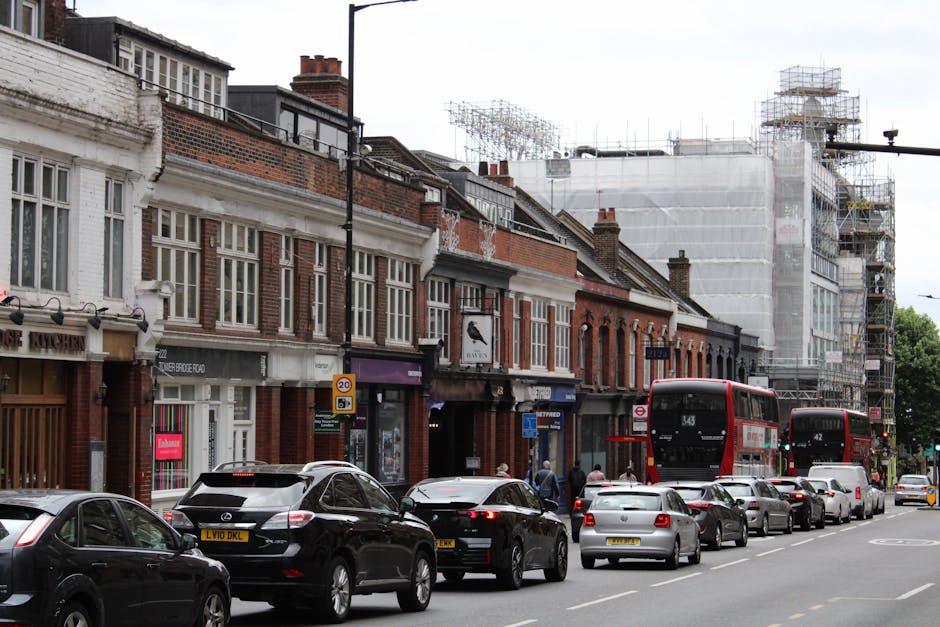
Common Mistakes to Avoid
Most removal problems around parking and loading are preventable. The hard bit is usually noticing them early enough. Here are the mistakes that cause the most disruption.
- Assuming parking will sort itself out. It rarely does.
- Underestimating loading time. Stairs, distance, and awkward furniture all add up.
- Not telling the team about access issues. If there is a lift that needs booking, or a lock that needs a key, say so early.
- Leaving loose items for the last minute. That leads to delays, forgotten pieces, and more van shuffling than anyone wants.
- Booking the wrong vehicle size. A van that is too small means more trips. Too large can make roadside positioning harder. Balance matters.
- Ignoring neighbour and building etiquette. Blocking a doorway or leaving trolleys in the wrong place creates friction. No one needs that.
Truth be told, one forgotten item can unravel a tidy schedule. A missing key fob or lift code is not dramatic in itself, but on a moving day it can stall everything. So yes, the boring bits really do matter.
Tools, Resources and Recommendations
You do not need fancy equipment to make a removal run well, but a few practical tools help enormously. Think of them as the unglamorous heroes of moving day.
- Furniture blankets and wraps to protect edges and prevent scuffs.
- Ratchet straps or secure tie-downs to keep larger items stable in the van.
- Trolley or sack truck for boxes and heavier loads where access allows.
- Labels and marker pens for room names and fragile notes.
- Phone battery and charger because coordinating a move with a dead phone is, frankly, a bit of a nightmare.
- Floor protection if your building or property needs it.
For cost planning, it is sensible to review the man with van rates information and the pricing and quotes page so you understand what drives the final price. If you are comparing service levels, the services we provide page gives a straightforward overview of what is available.
If your move involves short-term overflow or a gap between homes, storage in Earls Court can also reduce pressure on the loading day. That is especially handy when completion times are uncertain. Happens more often than people expect, doesn't it?
Law, Compliance, Standards, or Best Practice
This part matters because moving vehicles and roadside loading are not just logistical questions; they also involve legal and safety duties. Exact parking rules can vary by location, time, and signage, so it is always worth checking local restrictions before the move rather than assuming a van can stop anywhere.
As a general best-practice approach in London:
- use only lawful stopping or loading spaces;
- do not block pedestrian access, driveways, or emergency routes;
- make sure the loading crew can move safely without rushing into traffic;
- use appropriate lifting methods and team coordination for heavy items;
- protect both property and public areas during the move.
Good removal firms also tend to work in line with practical health and safety expectations. That means risk-aware handling, sensible communication, and no cutting corners when the street gets busy. If you want to understand how a provider approaches safe work, the company's insurance and safety page and health and safety policy are worth reviewing.
For customers, the main takeaway is simple: do not treat loading as a casual roadside pause. It should be planned, legal, and safe. A quick stop that creates risk is never a good trade.
Options, Methods, or Comparison Table
Different moves call for different methods. Here is a straightforward comparison to help you decide what suits your situation.
| Option | Best for | Pros | Watch-outs |
|---|---|---|---|
| Man and van | Small to medium moves, flexible access, quick load/unload | Flexible, often cost-effective, ideal for flats and lighter loads | May need more trips if the load is larger than expected |
| Full removals team | Larger houses, heavier furniture, more delicate access | More hands, better for bulky items, less pressure on the customer | Usually a bigger commitment in planning and budget |
| Same-day removals | Urgent moves, short notice changes, time-sensitive situations | Fast response, practical when plans shift suddenly | Availability can be limited, so flexibility helps |
| Storage plus staged move | Moves with delays, renovations, or overlapping dates | Reduces pressure on parking and loading windows | Needs extra planning and can involve temporary double-handling |
If you are dealing with a time-sensitive move, same-day removals in Earls Court can be a practical fallback. For full-home moves, house removals in Earls Court may be more appropriate. There is no single right answer, really. It depends on load size, access, and how much lifting you want to avoid.
Case Study or Real-World Example
Imagine a typical Saturday morning move from a first-floor flat near Earls Court Road. The property has a narrow stairwell, a shared entrance, and a van that cannot sit outside for long. Nothing dramatic, just the sort of job that can become chaotic if nobody has thought it through.
In that situation, the best move usually looks like this: the team arrives with the van positioned as close as possible, the boxes are already labelled by room, the most fragile items are wrapped and ready, and the resident has cleared the hallway the night before. The loading starts with the furniture that is hardest to turn, then the stacked boxes, then the soft items and final loose bits. The result? Less back-and-forth, fewer pauses, and a quieter street scene overall.
Now compare that to a second version of the same job. Boxes are scattered, the lift booking was forgotten, the parking plan was not checked, and the customer thinks the mattress can "just be carried later." That move is not impossible, of course. It is just more tiring, slower, and more expensive in the only way that really matters on the day: energy.
The lesson is not perfection. It is preparation. A good removal on Earls Court Road feels unremarkable because the planning absorbed the stress before anyone arrived.
Practical Checklist
Use this checklist the day before and on the morning of the move. It is simple, but simple is helpful.
- Confirm the moving time and access details.
- Check whether loading can happen close to the entrance.
- Make sure there is a clear path from the property to the van.
- Label all boxes by room and priority.
- Separate valuables, documents, and essentials.
- Prepare any furniture that needs dismantling.
- Keep keys, entry codes, and contact numbers ready.
- Tell the removals team about stairs, lifts, or narrow access.
- Protect floors and doorframes where needed.
- Have a backup plan if the closest parking spot is unavailable.
- Do a final sweep of cupboards, storage spaces, and out-of-sight corners.
Small list, big difference. Honestly, this is the bit people wish they had done properly after the move, not before.
Conclusion
Moving on Earls Court Road is very doable when parking and loading are treated as part of the job, not an afterthought. Once you plan for access, timing, and vehicle positioning, the rest becomes much more manageable. That is especially true in a busy London setting where every metre of walking distance and every minute of waiting matters.
The main idea is straightforward: keep the loading route short, the plan clear, and the communication calm. Whether you are arranging a compact man and van move, a larger house removal, or a carefully timed same-day job, good roadside planning helps the whole process feel smoother and safer. And yes, a little boring planning now saves a lot of faff later. Which, let's face it, is usually the point.
Get a free quote today and see how much you can save.
If you are preparing for a move and want a team that understands local access, practical loading, and the realities of SW5, take the next step with confidence. A well-run move feels almost quiet by the end, and that is a lovely thing.